
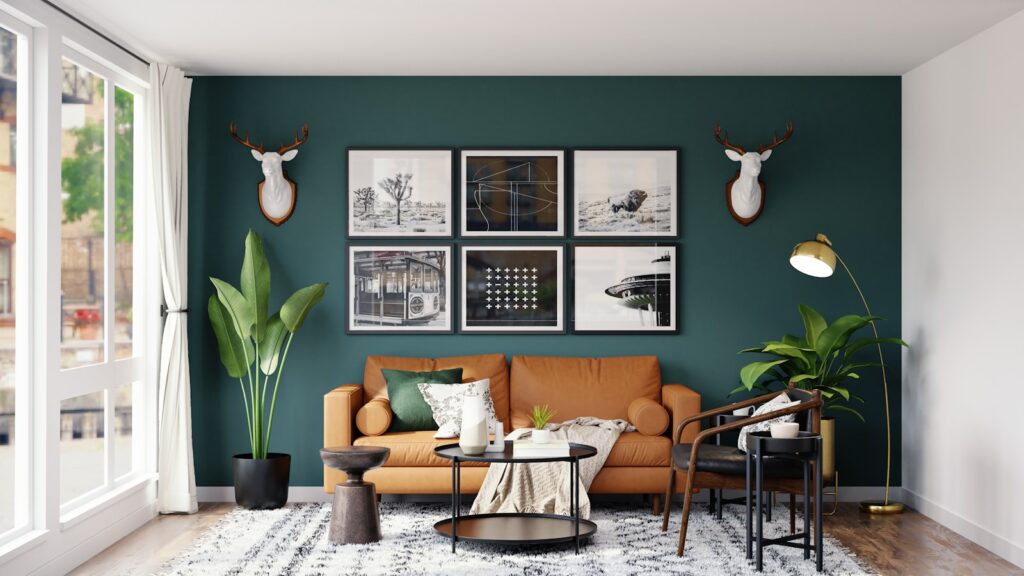
Great home design is not about spending more — it is about matching your space, budget and daily life to a look that feels calm, useful and personal. A well-planned room can add years of quiet enjoyment and, in many cases, real resale value.
This guide covers the interior design decisions that actually change the way a home feels: choosing a style, planning layout, selecting palettes and lighting, and mixing budgets to get a magazine-worthy result.
Why This Matters
Well-designed homes reduce daily friction, make guests feel welcome and often add measurable value at resale. The gap between amateur and thoughtful design is smaller than most people believe.
The Main Options at a Glance
Not every option is the same. Understanding the landscape first makes every later decision easier and cheaper.
| Style | Feel | Best For |
|---|---|---|
| Modern minimalist | Calm, uncluttered | Small spaces, sensitive to noise |
| Scandinavian | Bright, warm neutrals | Colder climates, natural light |
| Mid-century modern | Warm woods, iconic lines | Retro personality |
| Industrial | Raw materials, exposed elements | Lofts, urban feel |
| Contemporary transitional | Blend of modern & classic | Family homes |
| Farmhouse / rustic | Warm, textured, homey | Countryside & cozy vibes |
How to Choose the Right Fit
Follow the steps below in order — they will save you weeks of second-guessing later.
- Measure every room and note doors, windows, sockets.
- Choose 1 style and stick to it for the main rooms.
- Pick a 3-colour palette — neutrals + one accent.
- Plan lighting in layers (ambient + task + accent).
- Buy statement pieces first, then fill around them.
- Add art & plants last to bring rooms to life.
Comparison at a Glance
| Budget | Approach | Typical Result |
|---|---|---|
| Under $2K per room | DIY + mid-market fixtures | Refresh & polish |
| $5–10K per room | Some designer pieces | Meaningful transformation |
| $15K+ | Custom & designer | Magazine-quality |
Practical Tips That Actually Work
- Buy the sofa well — it anchors the whole living room.
- Invest in lighting — cheap fixtures date fast.
- Layer textures — wool, linen, wood, metal for depth.
- Anchor with a rug that fits under the front legs of the sofa.
- Add plants — they are the cheapest visible upgrade.
- Leave breathing room — cluttered rooms photograph and live worse.
Common Mistakes to Avoid
- Mixing too many styles without a unifying palette.
- Rugs that are too small — the top interior-design mistake.
- Under-lighting living rooms.
- Buying furniture that doesn’t fit — always measure twice.
- Overspending on trends that date in 2 years.
Frequently Asked Questions
Where do I start when redesigning a room?
Measure. Pick a style and palette. Then buy the largest piece first (usually the sofa or bed), and build around it.
How much should I spend?
Whatever your budget is — the trick is to spend most of it on the largest, most-used pieces (sofa, bed, dining table).
Should I hire an interior designer?
For a full room redesign over $10K, often worth it. For small refreshes, not necessary.
Can I mix modern and classic pieces?
Yes — transitional design is one of the most liveable styles. Keep the palette consistent.
How often should I redecorate?
Full redesigns every 8–12 years; small refreshes (paint, cushions, art) every 2–3.
Final Thoughts
Great home design is the outcome of thoughtful decisions rather than expensive shopping. Pick one style, stick to a palette, invest in the biggest pieces, layer light and texture. Do that and your home will feel calm, welcoming and unmistakably yours.