
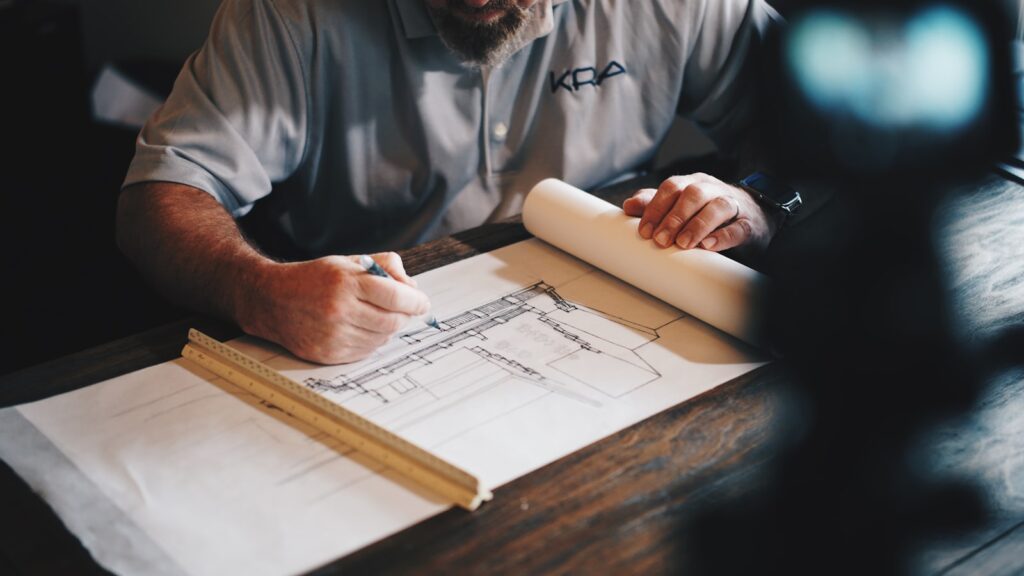
Do-it-yourself home improvement gives you two returns at once — a better home and lasting skills. With the right tools and honest realism about your abilities, most homeowners can safely handle a wide range of small-to-medium projects.
This guide covers the DIY projects that give the best return for time, the tools every DIY-er should own, when to call a professional, and how to avoid the classic DIY disasters.
Why This Matters
A single well-executed DIY project can save hundreds of dollars — and the skills carry forward for years. Even non-DIY households benefit from being able to fix small things confidently.
The Main Options at a Glance
Not every option is the same. Understanding the landscape first makes every later decision easier and cheaper.
| Project | Skill Level | Time | Impact |
|---|---|---|---|
| Painting a room | Beginner | 1 day | High visual change |
| Installing shelves | Beginner | 1–2 hrs | Useful storage |
| Replacing taps | Intermediate | 1–2 hrs | Fixes a real problem |
| Basic tiling / grout | Intermediate | 1–2 days | Cheap kitchen & bathroom refresh |
| Deck / patio | Advanced | Weekend+ | Big outdoor upgrade |
| Full room renovation | Advanced | Weeks | Only if you know your limits |
How to Choose the Right Fit
Follow the steps below in order — they will save you weeks of second-guessing later.
- Watch 2 tutorial videos before starting — full projects, not clips.
- List materials + tools before you buy anything.
- Prep the workspace — floors, tools within reach.
- Start with the smallest visible section to catch mistakes early.
- Take breaks — most injuries happen when tired.
- Clean up and put tools away the same day you use them.
Comparison at a Glance
| Situation | DIY | Call a Professional |
|---|---|---|
| Painting | Yes | Only for very large projects |
| Shelves & furniture assembly | Yes | No |
| Basic plumbing (taps, small pipes) | Usually yes | For anything hidden |
| Basic electrical (fixtures) | Only if trained | Always safer with a pro |
| Gas appliances | Never DIY | Always |
| Structural changes | Never DIY | Always |
Practical Tips That Actually Work
- Buy a small quality tool set — cheap tools slip and injure.
- Wear eye and hand protection — every time.
- Measure twice, cut once.
- Turn off power at the mains before any electrical work.
- Test with cardboard templates before cutting expensive materials.
- Know when to stop — pros exist for a reason.
Common Mistakes to Avoid
- Underestimating time — most projects take 1.5× your first estimate.
- Skipping prep — bad prep sinks otherwise good projects.
- Ignoring safety gear.
- Cheap tools — bad results and injury risk.
- DIY on gas, structural or major electrical.
Frequently Asked Questions
What tools should every homeowner have?
Cordless drill, hammer, screwdrivers, spirit level, tape measure, safety glasses, utility knife, adjustable spanner, decent stepladder.
Is DIY cheaper than hiring?
Almost always in materials, but not always in time. Judge based on how much you value both.
Where can I learn DIY skills?
YouTube, community-college weekend courses, and manufacturer video guides.
What if I damage something?
Small mistakes teach the most. For anything structural, gas, or main electrical, stop and call a professional.
Do I need permits?
For major work (structural, plumbing changes, additions) yes, in most jurisdictions. Painting and small repairs typically don’t.
Final Thoughts
DIY rewards preparation, safety and knowing your limits. Start small, buy decent tools, watch full tutorials, and stop when a job needs a licensed professional. Do that consistently and you will build both a better home and lasting skills that pay back for decades.