
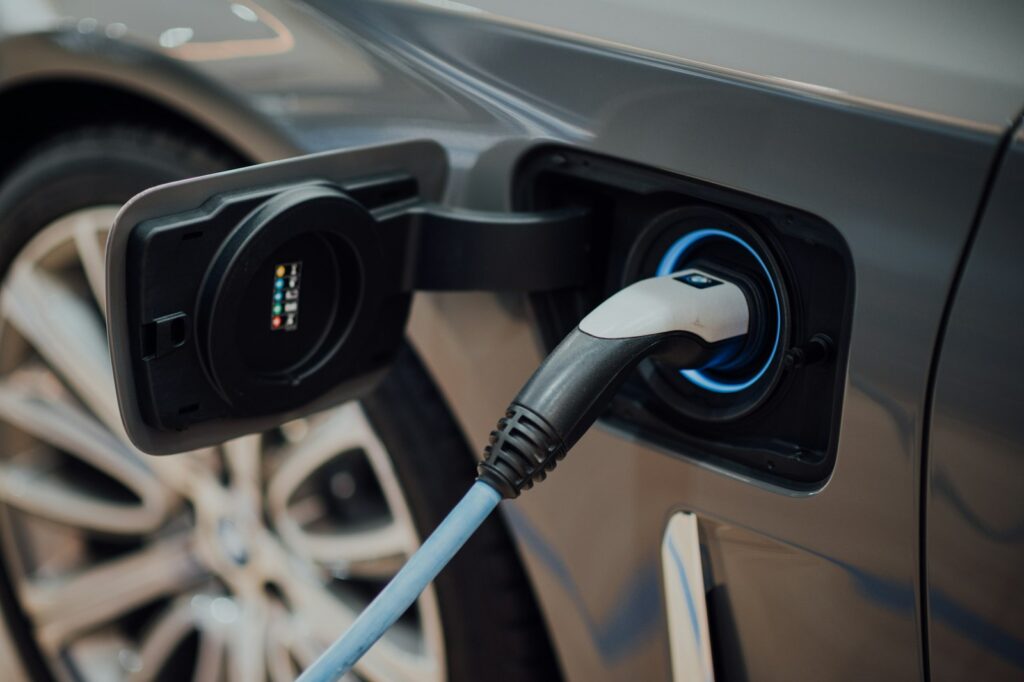
Electric vehicles have moved from niche to mainstream. Charging networks are wider, ranges are longer, and total cost of ownership now favours EVs in many use cases — especially in urban and short-commute driving.
This guide covers what actually matters when buying an EV in 2026: range, charging options, home-charging infrastructure, running costs, and how to know if an EV is right for your specific driving pattern.
Why This Matters
EVs cost less per kilometre, need less maintenance, and produce fewer local emissions than combustion cars. For most urban drivers doing under 100 km per day, the total cost of ownership over 5 years is now clearly in the EV’s favour.
The Main Options at a Glance
Not every option is the same. Understanding the landscape first makes every later decision easier and cheaper.
| EV Type | Ideal Use | Range | Notes |
|---|---|---|---|
| City hatch EV | Short daily commutes | 150–350 km | Cheapest to own |
| Compact EV SUV | Family, mixed use | 300–500 km | Practical choice |
| Long-range EV sedan | Highway heavy | 400–650 km | Higher upfront |
| Luxury EV | Long-distance comfort | 400–650 km | Premium tech |
| Electric pickup | Utility work | 300–500 km | Emerging category |
| Plug-in hybrid (PHEV) | Bridge to EV, no home charge | 30–80 km electric | Best for hesitant switchers |
How to Choose the Right Fit
Follow the steps below in order — they will save you weeks of second-guessing later.
- Log your actual daily kms for a week.
- Assess home charging options — dedicated 7 kW wall box ideal.
- Check charging network along your usual routes.
- Model 5-year total cost — including electricity, taxes, insurance.
- Test drive with real climate control on — impacts real range.
- Consider incentives & rebates — often several thousand off.
Comparison at a Glance
| Cost Type | EV | ICE |
|---|---|---|
| Fuel / electricity | Very low | Higher |
| Servicing | Minimal | Regular |
| Depreciation | Faster in some segments | Slower in others |
| Insurance | Slightly higher | Standard |
| Government incentives | Often significant | Rare |
| Total 5-yr cost | Usually lower | Higher |
Practical Tips That Actually Work
- Install a home wall charger — the single biggest EV convenience.
- Charge overnight on off-peak tariffs for lowest cost.
- Preheat/cool the car while plugged in to protect range.
- Plan longer trips around fast-charging stops.
- Battery health matters at resale — keep records.
- Software updates often add features — check regularly.
Common Mistakes to Avoid
- Buying too much range that you’ll never use.
- Assuming public charging alone is enough.
- Ignoring incentives that materially change the price.
- Winter-range shock — cold cuts range 20–30%.
- Cheap AC-only chargers when a proper DC option makes sense.
Frequently Asked Questions
Is an EV cheaper to own than a petrol car?
Over 5 years, usually yes — especially for city and mid-mileage drivers. Highway-heavy long-range still favours diesel/hybrid in some markets.
How long do EV batteries last?
Modern EV batteries typically retain 80%+ capacity for 10+ years or 200,000+ km, with a warranty from the manufacturer.
Do EVs work in cold climates?
Yes — but range drops 20–30% in very cold weather. Preconditioning and heat pumps mitigate this.
Can I charge from a regular home outlet?
Yes for overnight top-ups. A 7 kW wall charger fills the battery much faster and is worth it.
Are PHEVs a good compromise?
Yes for households that cannot charge at home but drive daily short trips — provided you actually plug them in.
Final Thoughts
Electric vehicles now make financial and environmental sense for a very wide range of drivers. Log your kilometres honestly, plan home charging, factor in incentives and pick the right range for your life. Do that and your next car will be cheaper, quieter and cleaner to own.